Best Accounting Software for Ecommerce in 2026: Shopify & Amazon Compared
Disclosure: Some links in this article are affiliate links. If you click through and make a purchase, we may earn a commission at no extra cost to you. Learn more.
Top Ecommerce Accounting Software Picks in 2026
Xero is our #1 pick for ecommerce businesses due to its robust app ecosystem (A2X, Shopify, Amazon), multi-currency handling, and unlimited user seats. QuickBooks Online is the top alternative for high-volume multichannel sellers needing integrated inventory valuation.
Table of Contents
- Why Ecommerce Accounting Is Different
- Top 3 Ecommerce Accounting Platforms
- 1. Xero — Best Overall for Online Sellers
- 2. QuickBooks Online — Best for US Multichannel
- 3. Zoho Books — Best Budget Ecommerce Option
- Essential Features for Online Stores
- Handling Sales Tax & Nexus in 2026
- Frequently Asked Questions
Why Ecommerce Accounting Is Different
Running an ecommerce store on Shopify, Amazon, WooCommerce, or eBay presents unique bookkeeping challenges that standard service businesses never encounter:
- Merchant settlement batches: Payouts from Shopify Payments, Stripe, and Amazon arrive as net deposits after deducting processing fees, returns, and holdbacks.
- Inventory & COGS valuation: Tracking landed costs, supplier prepayments, and accurate cost of goods sold across sales channels.
- Multi-currency conversion: Selling to international customers and handling foreign exchange gain/loss calculations.
- Economic nexus sales tax: Collecting and remitting state sales taxes across dozens of jurisdictions.
Top 3 Ecommerce Accounting Platforms
| Platform | Best For | Ecommerce Integrations | Starting Price |
|---|---|---|---|
| Xero | Best Overall for Shopify & Amazon | Shopify, A2X, Synder, Amazon, eBay | $20 - $25/mo |
| QuickBooks Online | US Multichannel Retailers | Native Shopify/Amazon connector, Webgility | $35/mo |
| Zoho Books | Budget Sellers with Zoho Inventory | Shopify, Etsy, Zoho Inventory | $0 - $15/mo |
1. Xero — Best Overall for Online Sellers
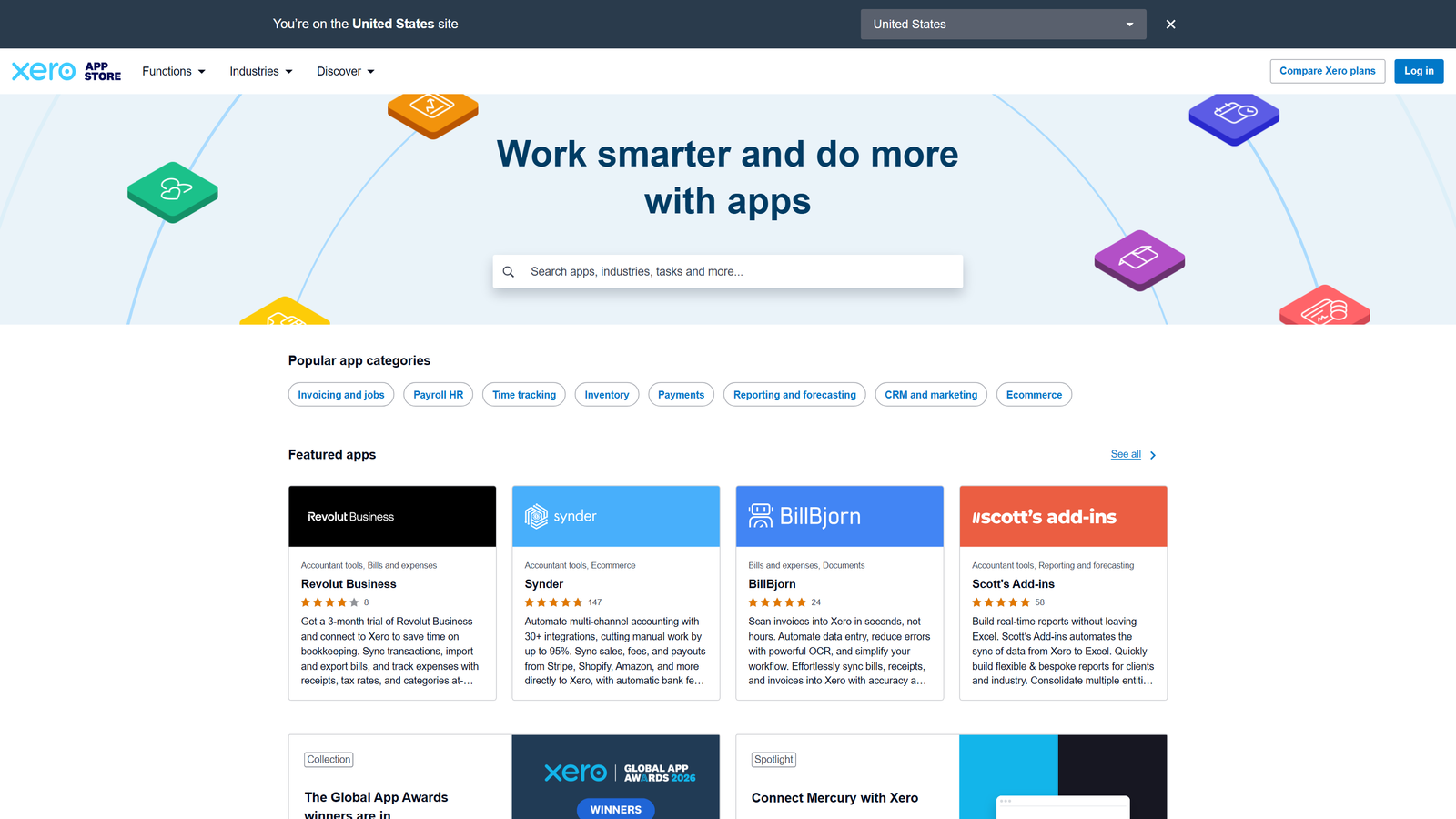
Xero is widely regarded as the gold standard for modern digital sellers. Its open API has fostered the deepest ecosystem of ecommerce financial connectors, including A2X, Link My Books, and Synder.
Explore Xero for Ecommerce (30-Day Free Trial) →
2. QuickBooks Online — Best for US Multichannel
For US-based retailers selling across brick-and-mortar storefronts, wholesale distributors, and online channels, QuickBooks Online Plus provides built-in inventory tracking and native connections to the QuickBooks Commerce network.
3. Zoho Books — Best Budget Ecommerce Option
Zoho Books integrates natively with Zoho Inventory, offering small ecommerce merchants automated stock adjustments across multiple warehouses and marketplaces at a fraction of the cost of enterprise software.
Essential Features for Online Stores
When selecting accounting software for an online store, ensure the platform supports automated summary journal entries rather than importing thousands of individual raw orders. Flooding your accounting general ledger with individual micro-transactions will quickly slow down your system and create reconciliation nightmares.
Handling Sales Tax & Nexus in 2026
With economic nexus laws active across almost all US states and VAT rules in the EU/UK, ecommerce sellers should integrate tax automation tools like TaxJar, Avalara, or Anrok with their accounting software to ensure timely filings.
Frequently Asked Questions
Should I connect Shopify directly to my accounting software?
For small stores with under 100 orders a month, a direct sync is fine. For higher-volume stores, using an aggregator tool like A2X that posts summarized daily settlement journals is strongly recommended.
Does Xero handle multiple currencies?
Yes. Xero's Established plan supports over 160 currencies with real-time automatic conversion rates.
